
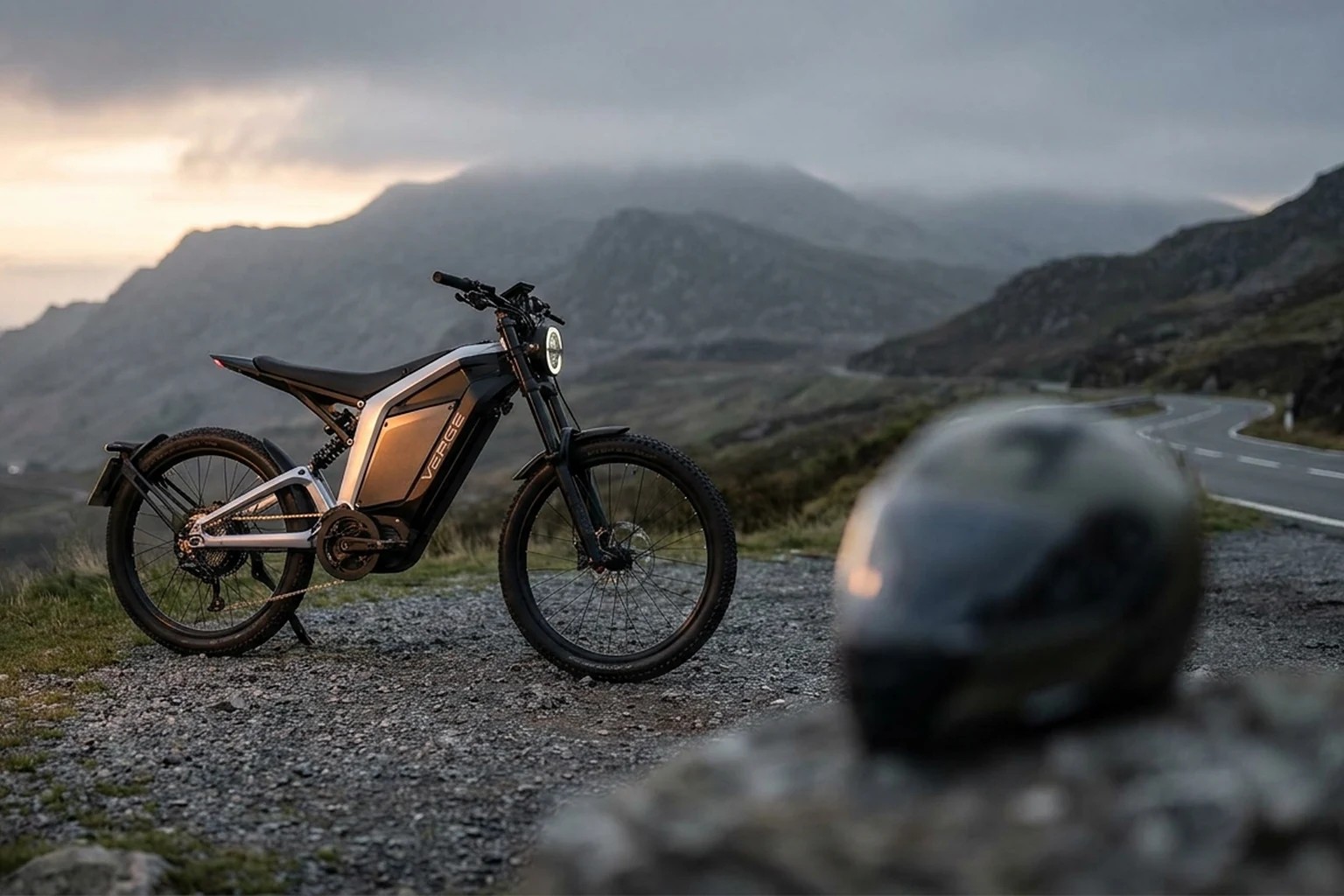
Verge Motorcycles, the Finnish electric motorcycle maker best known for its hubless rear wheel, is getting pushback on its solid-state battery plans. A new report from Powersports Business casts doubt on whether the company’s promised cell technology is as close to reality as it has suggested.
The skepticism matters because solid-state cells are often described as the next real step for electric vehicles. If they land, they could bring longer range, faster charging, and lower fire risk. If they don’t, the brands banking on them face serious product timing problems.
Details
Verge has been talking up solid-state battery plans for a while, pointing to partnerships and prototype work as signs it is ahead of competitors. The brand’s TS Ultra and other current models ship with conventional lithium-ion packs, but leadership has hinted at a future jump in cell chemistry.
Powersports Business, an industry trade outlet, pushed back on that messaging. According to the publication, the gap between announcement-stage solid-state cells and production-ready ones is still wide across the entire EV industry. The report questions whether Verge, a relatively small company by motorcycle standards, can deliver a working solid-state pack on the timelines implied.
Specifics in the summary available are thin, but the concern appears to center on two things. First, whether the cells Verge has referenced can actually hit the energy density and cycle life needed for a production motorcycle. Second, whether the supply chain to build those cells at scale exists yet.
It’s worth noting that no major automaker has put a true solid-state battery into a mass-market vehicle. Toyota, Nissan, and several startups have all announced timelines, and most of those timelines have slipped. A motorcycle brand getting there first would be a real surprise.
Why It Matters
For riders shopping electric motorcycles, battery claims directly shape what you actually get. A promised 400 mile range with a ten minute charge is very different from a shipping product with a 200 mile range and a 45 minute charge.
When a manufacturer hints at future battery breakthroughs, it can also affect resale values and purchase timing. Buyers who believe a much better pack is coming next year might delay a purchase. If that pack doesn’t show up, both the company and its customers are stuck in an awkward holding pattern.
There’s also a trust issue. The electric motorcycle market is still small, and brands like Verge, Zero, LiveWire, and Energica rely on enthusiast goodwill. Overpromising on battery chemistry could do lasting damage to a brand’s credibility, even if the bikes it actually ships are good.
What’s Next
The report from Powersports Business does not appear to include a detailed response from Verge, so the company’s side of the story is still open. Expect Verge to address the skepticism in an update or press release if the coverage gains traction.
For now, the practical takeaway is simple. Any solid-state claim from any electric vehicle maker should be treated as aspirational until there’s a production bike on a dealer floor with that chemistry inside. That includes Verge.
Watch for specifics. Announcements that name cell suppliers, share independent test results, and list firm production dates carry far more weight than vague timelines. If Verge wants to quiet the doubters, that is the kind of detail it will need to share.
The broader electric motorcycle category is still growing, and battery improvements of any kind will help it grow faster. But hype cycles hurt the segment when they end in disappointment, which is exactly why this kind of industry scrutiny is healthy for buyers.