
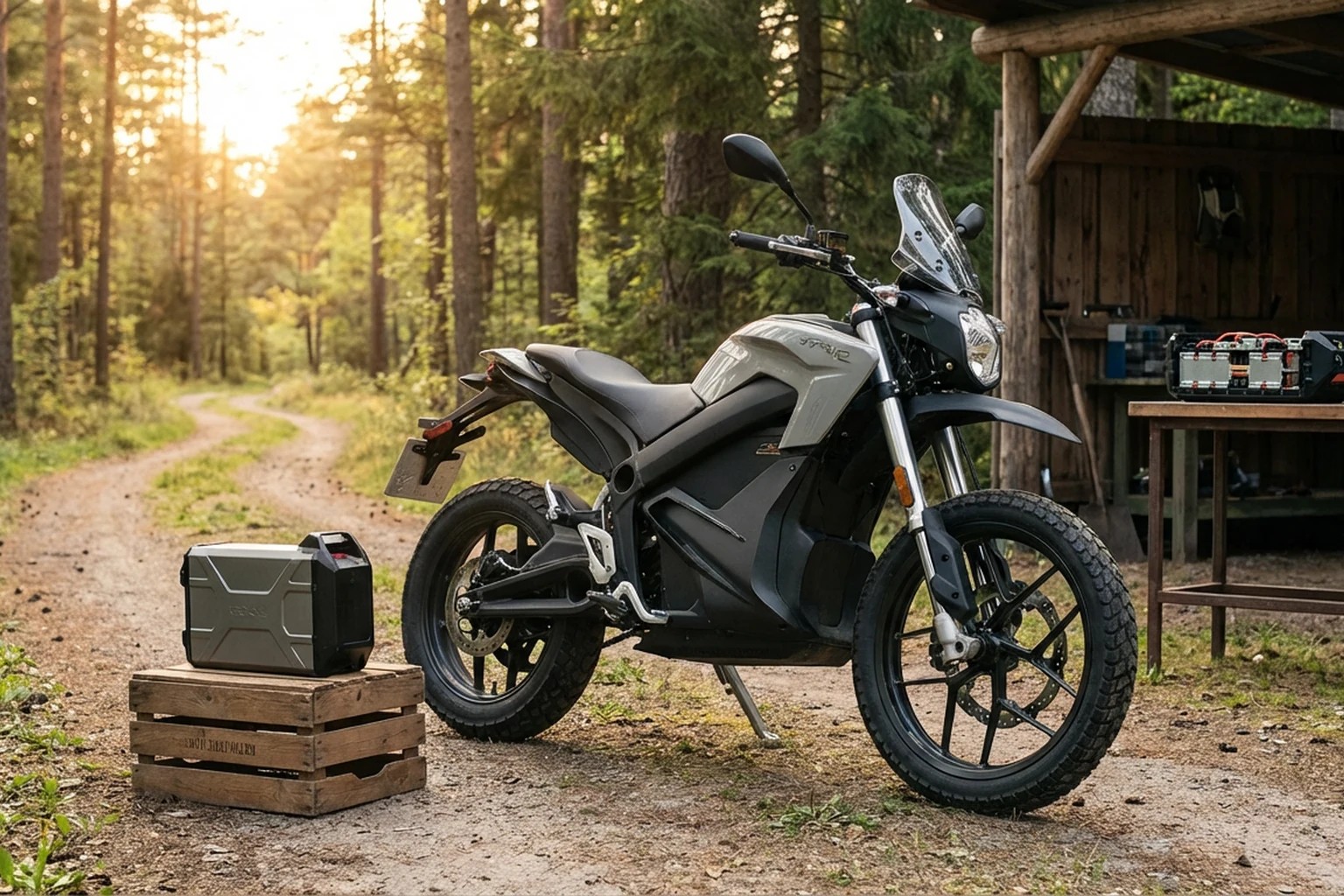
A report from Business Daily is putting a spotlight on a question that every electric motorcycle owner eventually faces: how long will the battery actually last, and what happens to it when it’s done? It’s a practical concern that’s becoming harder to avoid as electric two-wheelers move from niche products to mainstream transportation.
The short answer, based on current industry knowledge, is that most lithium-ion battery packs in electric motorcycles are built to last somewhere between 5 and 10 years under typical use, though some manufacturers claim higher figures. After that window, the cells don’t die outright. They degrade, holding less charge over time, until range drops to a point most riders find unacceptable.
Details
Battery longevity in electric motorcycles is tied closely to charge cycle count and thermal history. Most modern packs are rated for somewhere between 500 and 1,000 full charge cycles before capacity dips noticeably, often to around 80 percent of the original rating. How quickly you burn through those cycles depends on how often you ride, how deeply you discharge the pack, and how well the bike manages heat.
Temperature is a bigger factor than many riders realize. Batteries that regularly sit in high heat, or that are charged hard in cold conditions, age faster. Bikes with active thermal management systems generally hold up better over the long term than those relying purely on passive cooling.
On the reuse side, there’s genuine interest from the energy storage industry in “second-life” applications. A battery that no longer holds enough charge for reliable riding might still hold 70 to 80 percent of its original capacity, which is plenty for stationary uses like home energy storage or grid balancing. Several automakers and battery suppliers have piloted programs like this with four-wheeled EVs, and some of that thinking is starting to reach the motorcycle segment.
What’s less clear is whether the economics work at scale for smaller motorcycle packs. Car battery packs are large enough that the second-life math often pencils out. Motorcycle packs are smaller and more varied in design, which makes reconditioning and repurposing more expensive per kilowatt-hour stored.
Recycling is the other path for spent packs, and it’s improving but still not seamless. Companies are building out capacity to recover lithium, cobalt, nickel, and manganese from old cells, reducing the need to mine fresh materials. Several countries have started requiring manufacturers to take back old EV batteries, and more regulations in that direction appear to be on the way.
Why It Matters
If you’re deciding whether to buy an electric motorcycle, battery lifespan and replacement cost are two of the most important long-term financial variables. A battery replacement can run from a few thousand dollars to well over ten thousand depending on the brand and pack size. That’s a cost that doesn’t show up in the sticker price but absolutely factors into total ownership math.
It also matters for resale. Used electric motorcycles are increasingly common, and buyers are starting to ask how many cycles a pack has on it, just like someone buying a used laptop might check battery health. There’s no universal standard yet for how that information gets disclosed or verified, which creates friction in the used market.
The environmental question is real too. The promise of electric vehicles is partly about reducing long-term harm, and that promise is harder to keep if spent battery packs end up in landfills rather than being reused or responsibly recycled.
What’s Next
The second-life battery market is still developing, and standards for grading and certifying used packs don’t yet exist in a consistent way across markets. Industry groups and regulators are working on frameworks, but timelines are uncertain.
For riders, the practical near-term move is paying attention to how manufacturers rate their battery warranties, what conditions void those warranties, and whether replacement packs are available and reasonably priced for any model you’re considering. Those details vary significantly from brand to brand and aren’t always easy to find before you buy.