
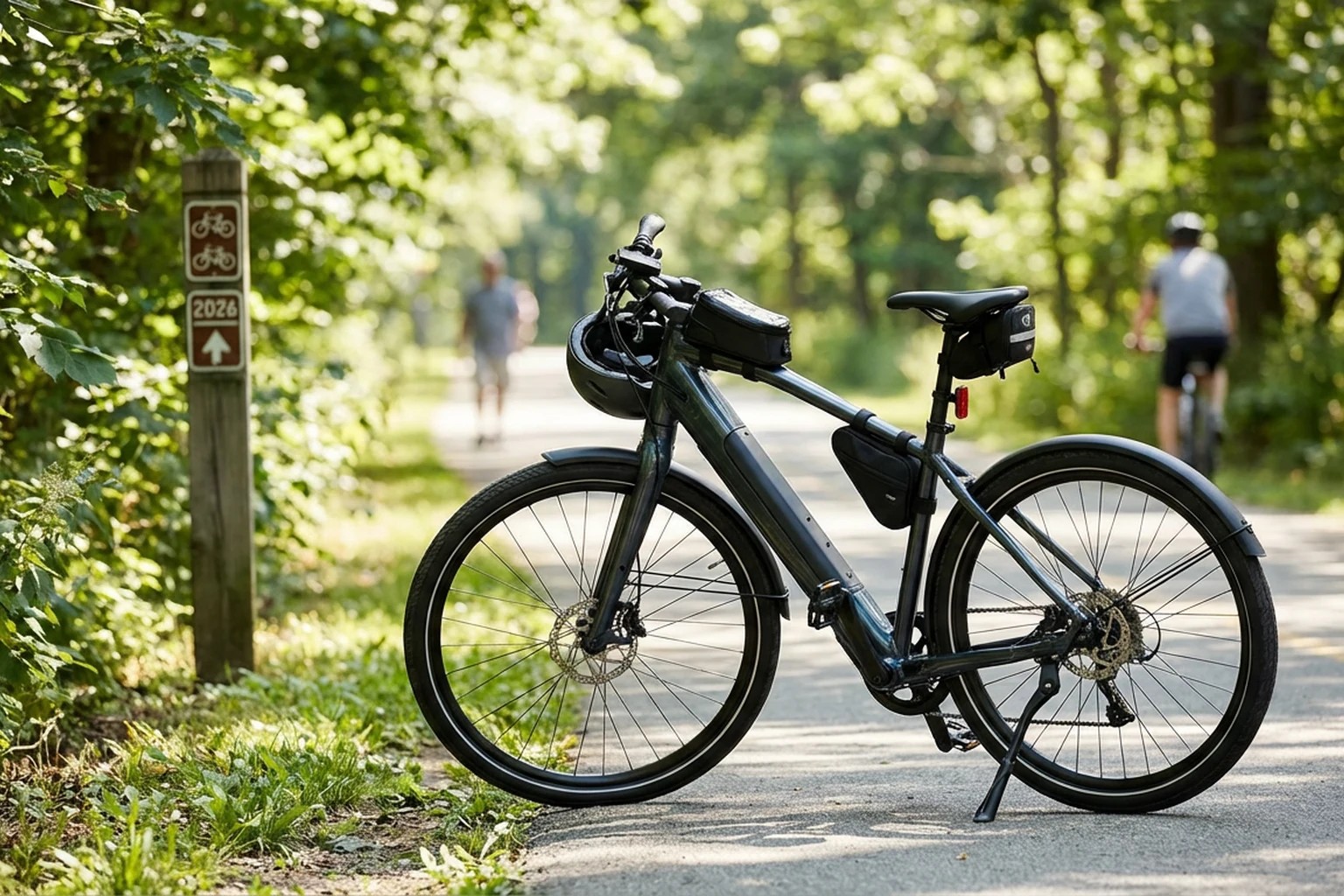
The patchwork of e-bike rules across the country is starting to harden. From Long Island to San Francisco, and from Newport-Mesa schools to small Midwestern towns like Ankeny, Iowa, local officials are passing tighter restrictions on where e-bikes can go, who can ride them, and how fast they can move. For riders, brands, and retailers, 2026 is shaping up as the year e-bike policy stops being an afterthought.
Details
Over the past several months, a clear pattern has emerged. Long Island police departments have stepped up enforcement around teen riders on throttle-equipped bikes. San Francisco officials have debated whether throttle e-bikes belong on certain park trails. The Newport-Mesa Unified School District in California moved to restrict student e-bike use on campus, and the city of Ankeny passed a local ordinance addressing where e-bikes and e-scooters can operate.
These actions are not coordinated, but they share themes. Cities want clearer lines on sidewalks and shared paths. School districts want to address middle-school riders showing up on machines that can hit 28 mph or higher. Park agencies want a way to tell a 20-pound Class 1 commuter from a 90-pound dirt bike with pedals welded on.
Meanwhile, lithium-ion battery fires in apartment buildings, especially in New York City, have pushed lawmakers and fire marshals to look more closely at battery certification standards like UL 2849 and UL 2271. Some jurisdictions have started requiring certified batteries for sale or for use in delivery fleets.
Why It Matters
The U.S. e-bike market grew faster than the rules around it. The original three-class system, Class 1 (pedal assist to 20 mph), Class 2 (throttle to 20 mph), and Class 3 (pedal assist to 28 mph), was a useful starting point, but it doesn’t cleanly cover what’s actually being sold. Many bikes ship with switches or apps that unlock higher speeds. Some “e-bikes” are really light electric motorcycles with throttles that hit 35 mph or more.
That gray zone is what’s driving most of the friction. A parent buying what they think is a bicycle for their 13-year-old can end up with something closer to a moped, with no license required and no helmet enforced. A trail manager dealing with that same machine on a singletrack network has every reason to worry. And a renter charging a no-name battery overnight in a fifth-floor apartment is a fire risk that the building’s insurer notices.
For the industry, this isn’t all bad news. Sensible rules can actually help the market mature. Clear class definitions, certification requirements, and reasonable age limits give brands and retailers a stable playing field. They also push out the worst actors, the ones flooding online marketplaces with uncertified packs and mislabeled motors.
What’s Next
Expect more cities, school districts, and parks to publish e-bike specific rules through 2026. State legislatures are likely to revisit class definitions, especially around throttle bikes and Class 3 minimum-age rules. Federal interest is building too, with discussions around battery certification and import standards.
For riders, the practical takeaway is to know what class your bike actually is, keep documentation handy, and check local rules before riding in a new park, on a school campus, or on a trail network. Battery care matters more than ever, since some buildings and rental contracts now restrict charging.
For brands and retailers, the call is clarity. Spec sheets that match the class label on the frame. Honest marketing that doesn’t blur the line between e-bike and e-moto. Certified batteries and chargers, with documentation a buyer can show a fire inspector or a school principal. Sellers who get ahead of this will likely benefit as the rest of the market gets sorted out.
The bigger picture is this. E-bikes are still one of the most useful, healthiest, and most efficient pieces of personal transportation an American can buy. Tighter rules, applied with common sense, don’t have to slow that down. They can make it safer to grow.