Super73 Goes Big with the A-Series
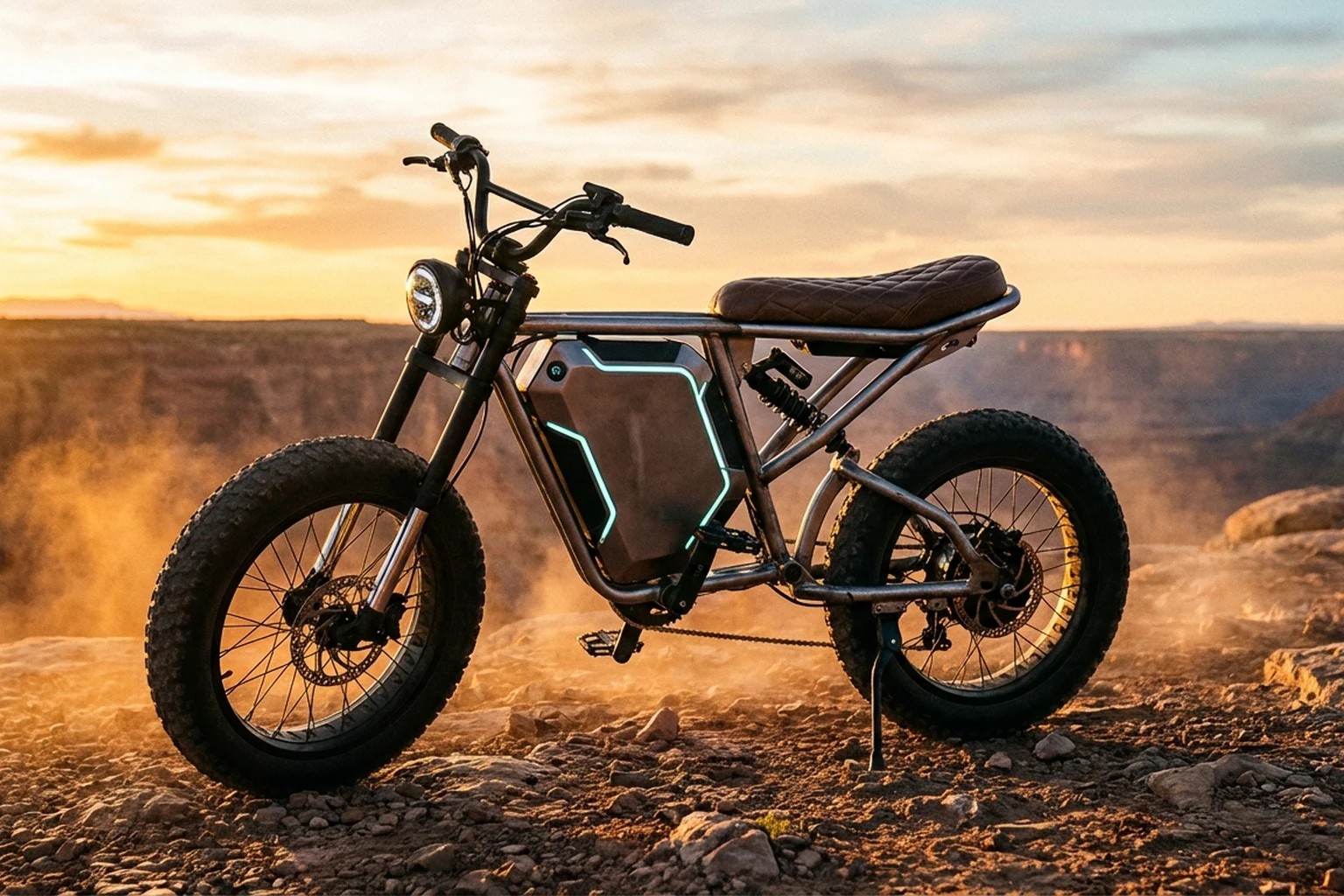
Super73 has finally pulled the curtain back on its A-Series lineup, and it’s the brand’s most rider-inclusive collection yet. Three models, three seat heights, and a clear message: moto-style e-bikes aren’t just for one body type anymore.
The MZFT sits at 27 inches, the M1D hits a middle-ground 30, and the B1G stretches to 33 inches for taller riders who’ve been left out of the conversation until now. Starting at $1,995 for the MZFT, these aren’t cheap. But they’re packed with the kind of features that make that price easier to swallow. We’re talking modular second battery support, internal lockable storage, and the aggressive moto-inspired look that put Super73 on the map in the first place. Diamond frames, BMX bars, massive headlights. You know the vibe.
Each model also gets an SE variant with a larger battery, adjustable front suspension, and upgraded trim. Color options range from Baja to Blackout to Titanium Ore, so there’s something for riders who want to stand out and those who’d rather blend in.
Ridstar’s Battery Fire Problem Just Got Worse
Here’s where things get serious. As reported by Electric Bike Report on their Weekly Recharge Episode 76, budget e-bike brand Ridstar is now linked to 11 battery fire incidents causing tens of thousands of dollars in property damage. That’s alarming on its own. What makes it worse is what happened next.
The Consumer Product Safety Commission (CPSC) asked Ridstar to issue a recall. Ridstar said no.
Let that sink in. A federal safety agency identified a significant risk to consumers, and the company refused to act. In response, the CPSC took the unusual step of issuing a “do not ride” advisory for affected Ridstar bikes. That’s the agency essentially telling the public: we tried to get this company to do the right thing, and they wouldn’t.
This matters for every e-bike buyer, not just Ridstar customers. Here’s why:
- It exposes the risks of buying from brands with no US accountability. When a company can simply refuse a recall, riders have very little recourse. There’s no easy path to a replacement battery or a refund.
- It highlights the battery quality gap between budget and mid-tier brands. Not all lithium-ion packs are created equal. Cheaper cells, poor BMS design, and inadequate thermal management are real problems at the low end of the market.
- It could accelerate regulation. Every fire that makes headlines pushes lawmakers closer to mandatory safety standards for e-bike batteries. The UL 2849 certification is already becoming a baseline expectation, and incidents like this are exactly why.
If you’re shopping for an e-bike and you see a price that seems too good to be true, ask about the battery. Who makes the cells? Is it UL certified? What’s the warranty? If the seller can’t answer those questions clearly, keep looking.
Specialized Recall Hits the Turbo Como SL
In other safety news, Specialized issued a recall on its Turbo Como SL models due to faulty steerer tubes. Unlike Ridstar, Specialized is handling this the right way: proactive communication and a clear recall process. It’s a reminder that recalls aren’t inherently bad. They mean a company is taking responsibility for a problem before someone gets hurt.
The Bigger Picture
The contrast between these two stories tells you a lot about where the e-bike industry stands right now. On one hand, you’ve got Super73 pushing design and accessibility forward with a polished new lineup. On the other, you’ve got a budget brand creating real safety hazards and refusing to fix them. And in between, established players like Specialized are showing that doing the right thing doesn’t have to be complicated.
For riders, the takeaway is straightforward. Buy from brands that stand behind their products. A $500 e-bike with a battery that could catch fire isn’t a deal. It’s a liability. And if you’re in the market for something with that moto-style look, Super73’s A-Series is worth a hard look, especially if previous models didn’t fit your frame.