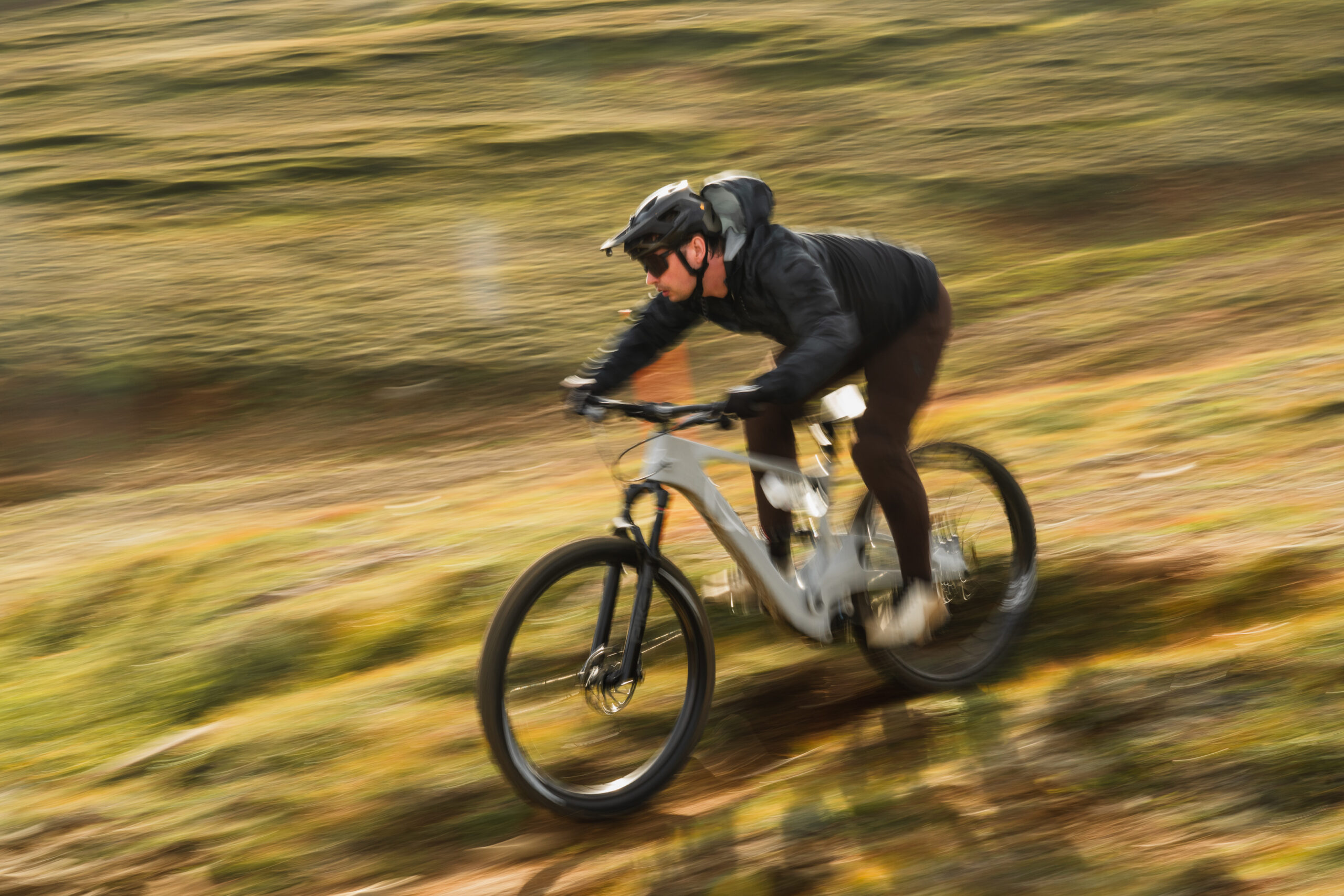
The e-bike industry keeps building bigger, burlier electric mountain bikes. But as ebiketips’ Liam Mercer points out, there’s a glaring gap in the market that riders are getting increasingly vocal about: where are all the short-travel, full-power e-MTBs?
The Problem: Too Much Bike, Not Enough Fun
Here’s what’s happening. Most full-power electric mountain bikes on the market right now come with 150mm or more of suspension travel. That’s great for smashing through rock gardens and charging down steep descents. Nobody’s arguing these bikes aren’t capable.
But all that travel comes at a cost. Mercer nails it when he explains that long-travel suspension soaks up the small stuff on a trail, the little lips and bumps and features that actually make riding fun. You know the feeling. That playful pop off a root, the way a snappy bike responds when you pump through rollers. Long-travel e-MTBs just… don’t do that.
They’re confidence machines. They’re not joy machines.
What Riders Actually Want
Not every ride is a shuttle-fed enduro run. Plenty of e-MTB riders spend most of their time on:
- Flowing singletrack with moderate technical features
- Local trail networks that top out at blue or easy black difficulty
- Mixed rides that combine fire roads, gravel connectors, and mellow trails
- After-work loops where the priority is grinning, not surviving
For these riders, a short-travel e-MTB with a full-power motor would be the sweet spot. Think 100-120mm of travel, paired with something like a Shimano EP8 or Bosch Performance CX. A bike that uses its motor to get you up the climbs but still feels alive and responsive on the way back down.
A few manufacturers are starting to get the message. Mercer highlights the Specialized Levo R and Mondraker Scree as moves in the right direction. But the selection is still incredibly thin compared to the wall of long-travel options out there.
Why It’s Taking So Long
There are real engineering challenges here, and they’re worth understanding. Full-power e-MTBs typically weigh around 20kg or more once you factor in a big battery and a motor. That weight creates problems for short-travel designs.
Shorter-travel forks usually have narrower stanchions. Components are rated for lighter bikes. When you add 20kg of e-bike heft to parts designed for a 13kg trail bike, things start breaking. The suspension can’t handle the extra load the way it was designed to, and the geometry gets thrown off.
There’s also the weight-to-fun ratio. Mercer points to bikes like the Lauf e-Elja, which achieves a genuinely playful 16.6kg by using a mid-power motor. It rides great, apparently. But it sacrifices that full-power assistance that makes steep climbs effortless.
Bikes equipped with heavier full-power systems like the Avinox tend to feel what Mercer describes as “plowy.” The motor gets you everywhere, but the ride character suffers. It’s a real catch-22 right now.
The Market Opportunity Is Obvious
This feels like one of those situations where manufacturers are leaving money on the table. The trail bike is the best-selling category in traditional mountain biking for a reason. Most people don’t need or want an enduro sled. They want something versatile and engaging that handles their local trails brilliantly.
Translate that same logic to e-MTBs, and the demand is clearly there. Riders who’ve been on acoustic trail bikes for years and are eyeing an e-bike don’t necessarily want to jump straight to a 160mm monster. They want the e-bike version of what they already love.
What Needs to Happen
Component manufacturers need to step up with suspension and parts specifically designed for the weight and forces of short-travel e-bikes. That means stiffer, lighter forks in the 100-120mm range that can handle 20kg+ without feeling vague. It means frames engineered around these proportions from the start, not just long-travel platforms with less travel bolted on.
Battery tech is improving fast. Motors are getting lighter and more efficient every generation. The pieces are falling into place. We just need bike brands to commit to the category instead of treating short-travel e-MTBs as an afterthought.
If you’re in the market right now, the Specialized Levo R and Mondraker Scree are your best bets for something in this direction. But keep your eyes open over the next 12-18 months. This is a gap that’s too obvious and too profitable for the industry to ignore much longer.